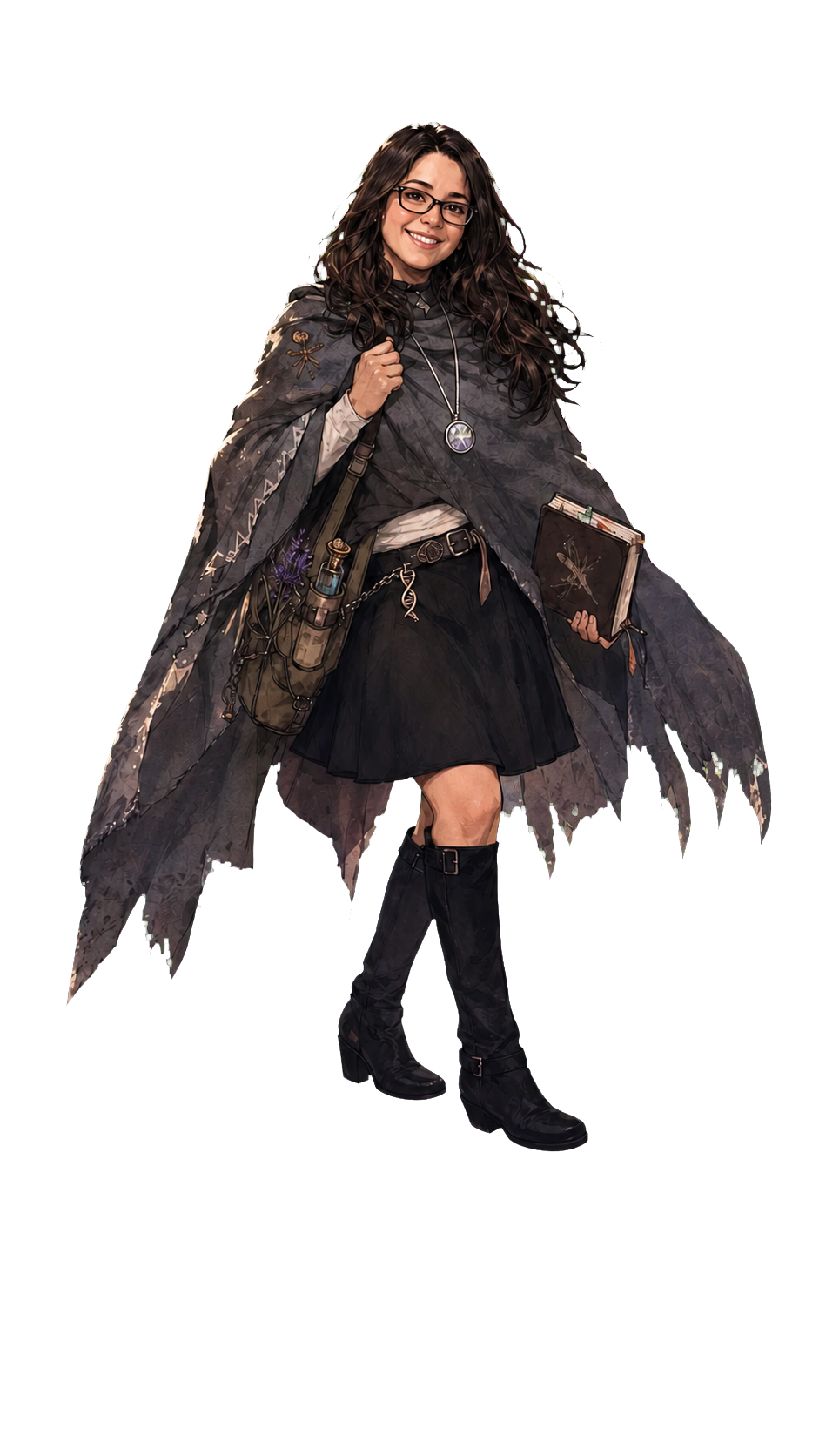
- ORIGIN
- Réunion Island (France)Hybrid ancestry
- CHARACTERISTICS
- Réunionnaise du mondeSpeaks French and EnglishFirst-generation graduateOtaku?
- LIKES
- Video games and animeHiking and exploring natureSpending time with family
- OVERDRIVE
- Molecular Alchemy
- Black Coding Magic
- Insect Shape Shifting
CHARACTER BACKSTORY
It all started on an island.
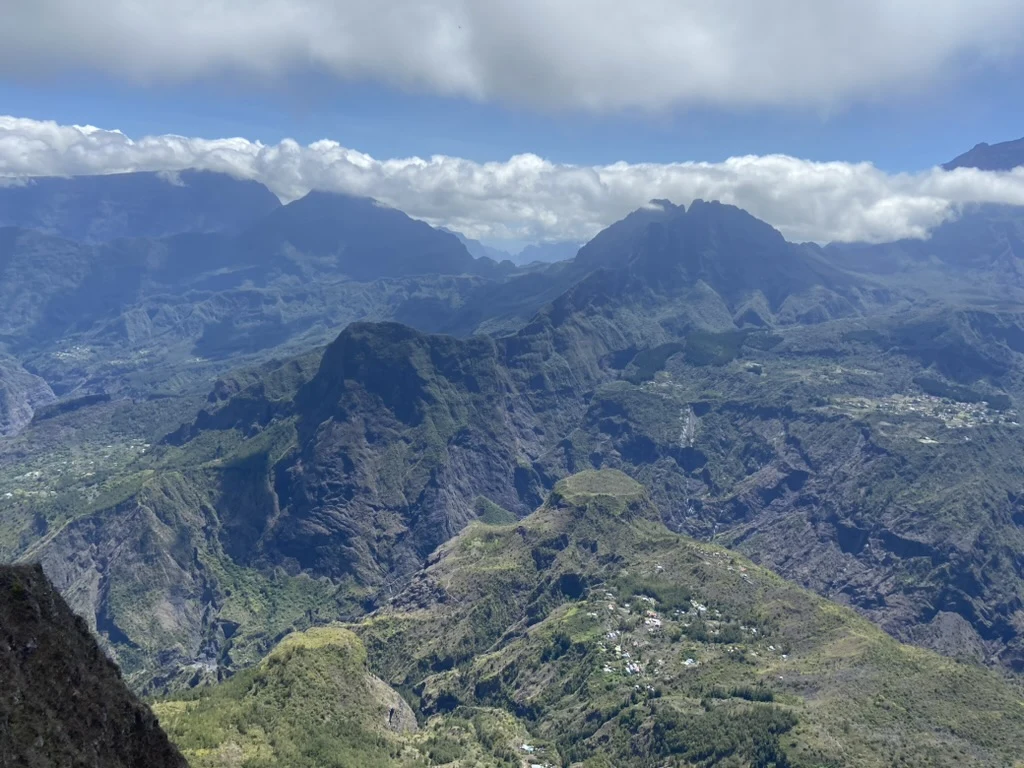
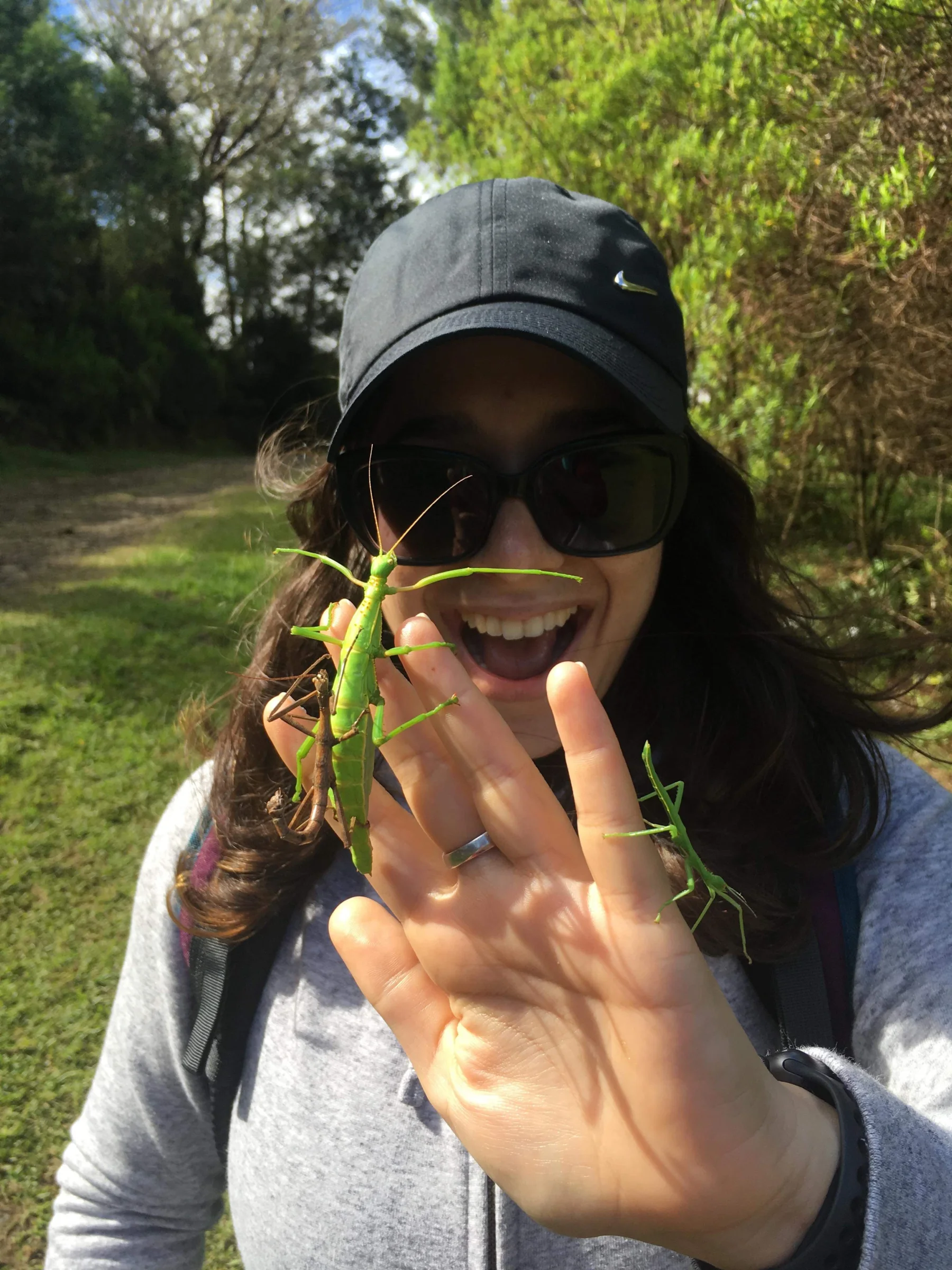
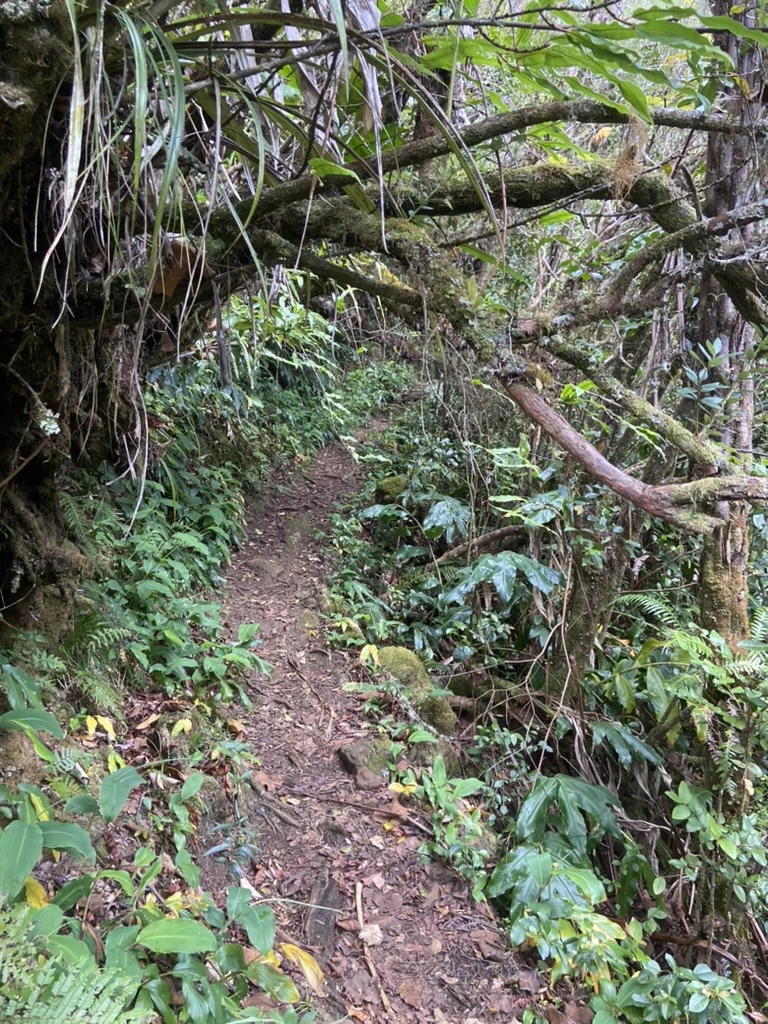
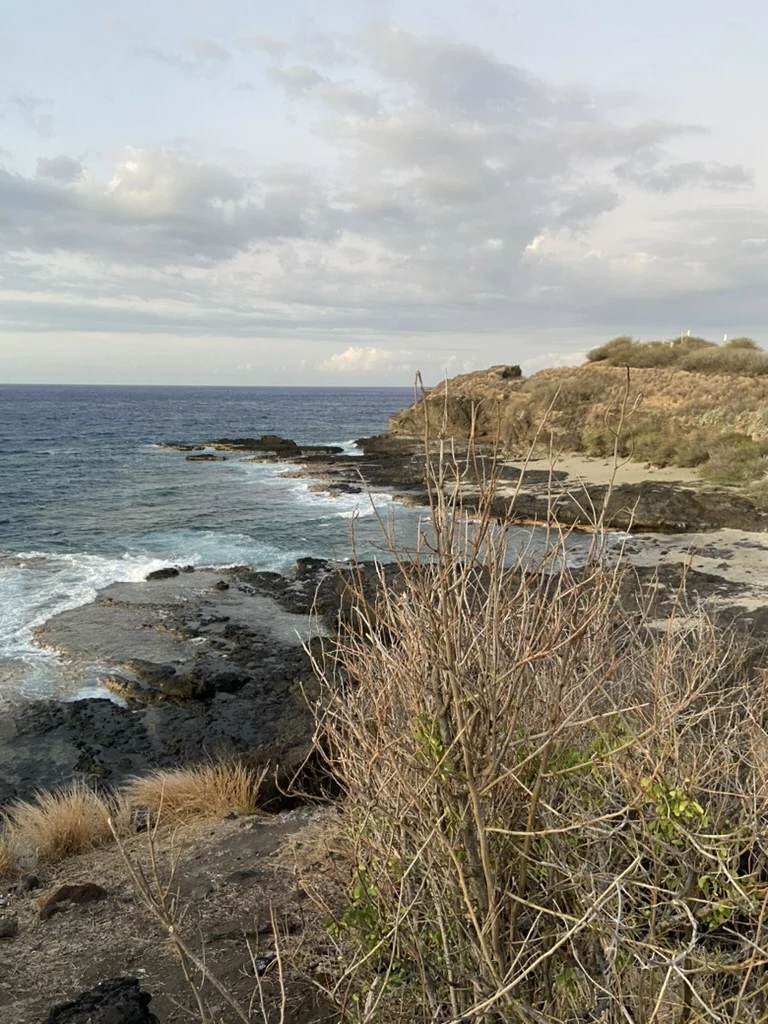
I was born and raised on La Réunion, a French volcanic island in the southwest Indian Ocean near Madagascar, where biodiversity was something I could observe in diverse habitats rather than merely read about. Stick insects disappeared into branches, endemic animals and plants lived nowhere else, and invading species showed how quickly island ecosystems could change. As a young naturalist, I was already wondering how complex adaptations evolve and how species respond and persist when human activity rapidly transforms their world.
Becoming a molecular ecologist with honey bees
Inspired by the TV programs Ushuaïa Nature and C'est pas sorcier, I wanted to become a zoologist and chose to study at the University of Réunion because becoming a scientist did not mean leaving my island behind. I wanted to understand its biodiversity from within and contribute to placing Réunion and neighboring islands on the scientific world map.
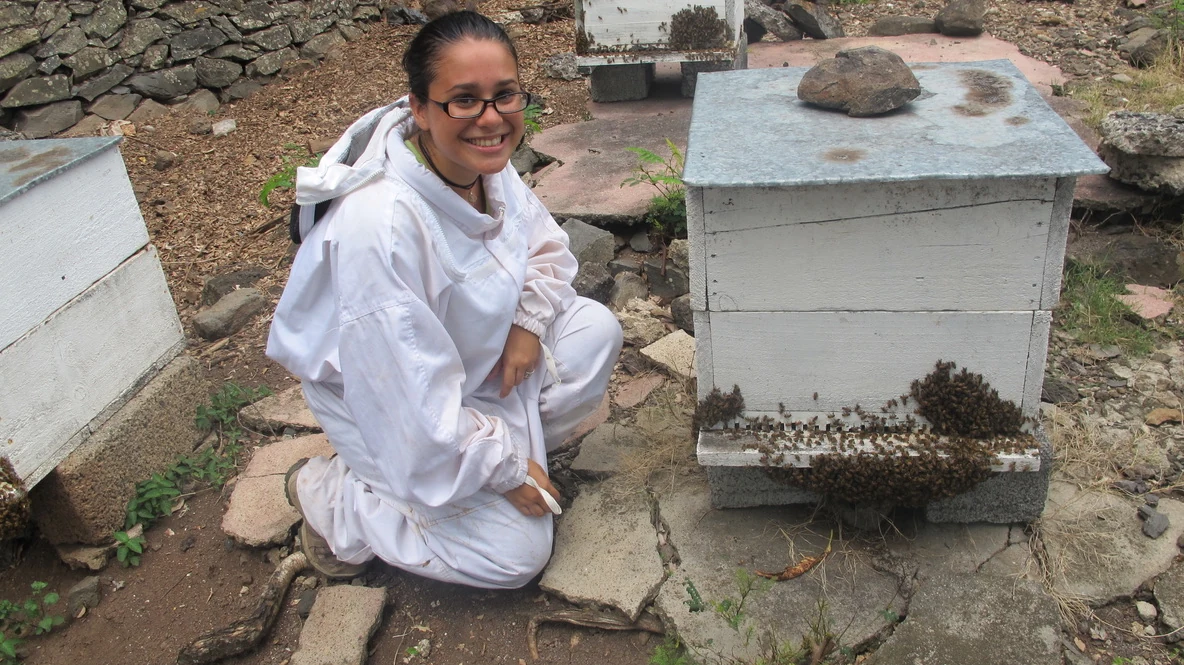
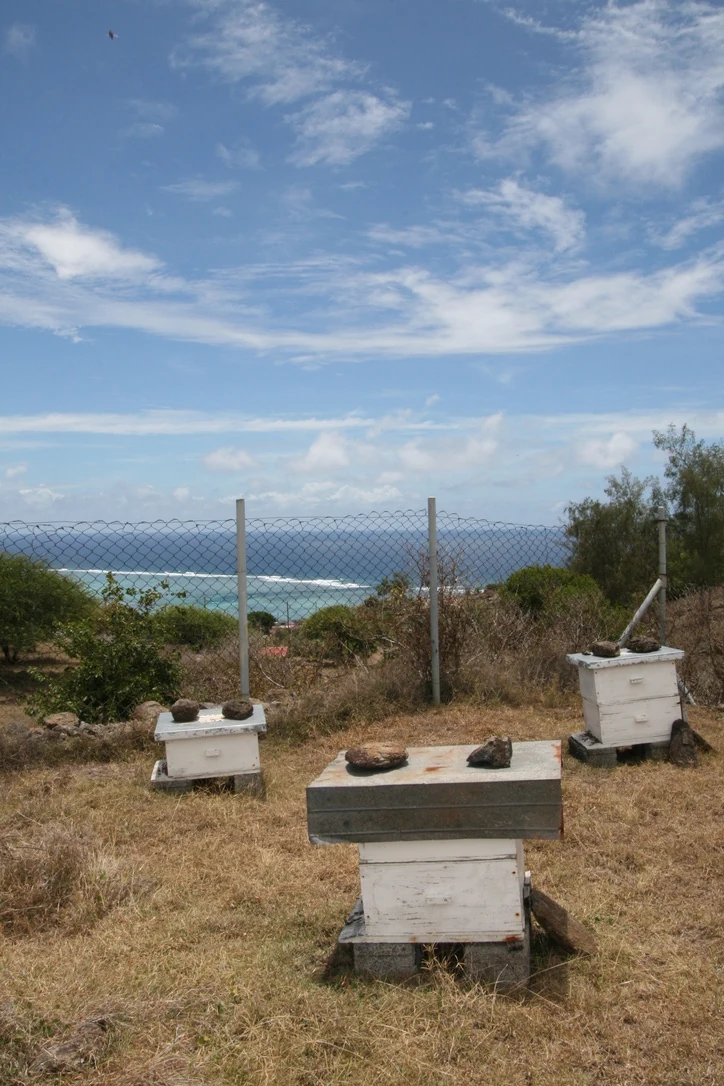
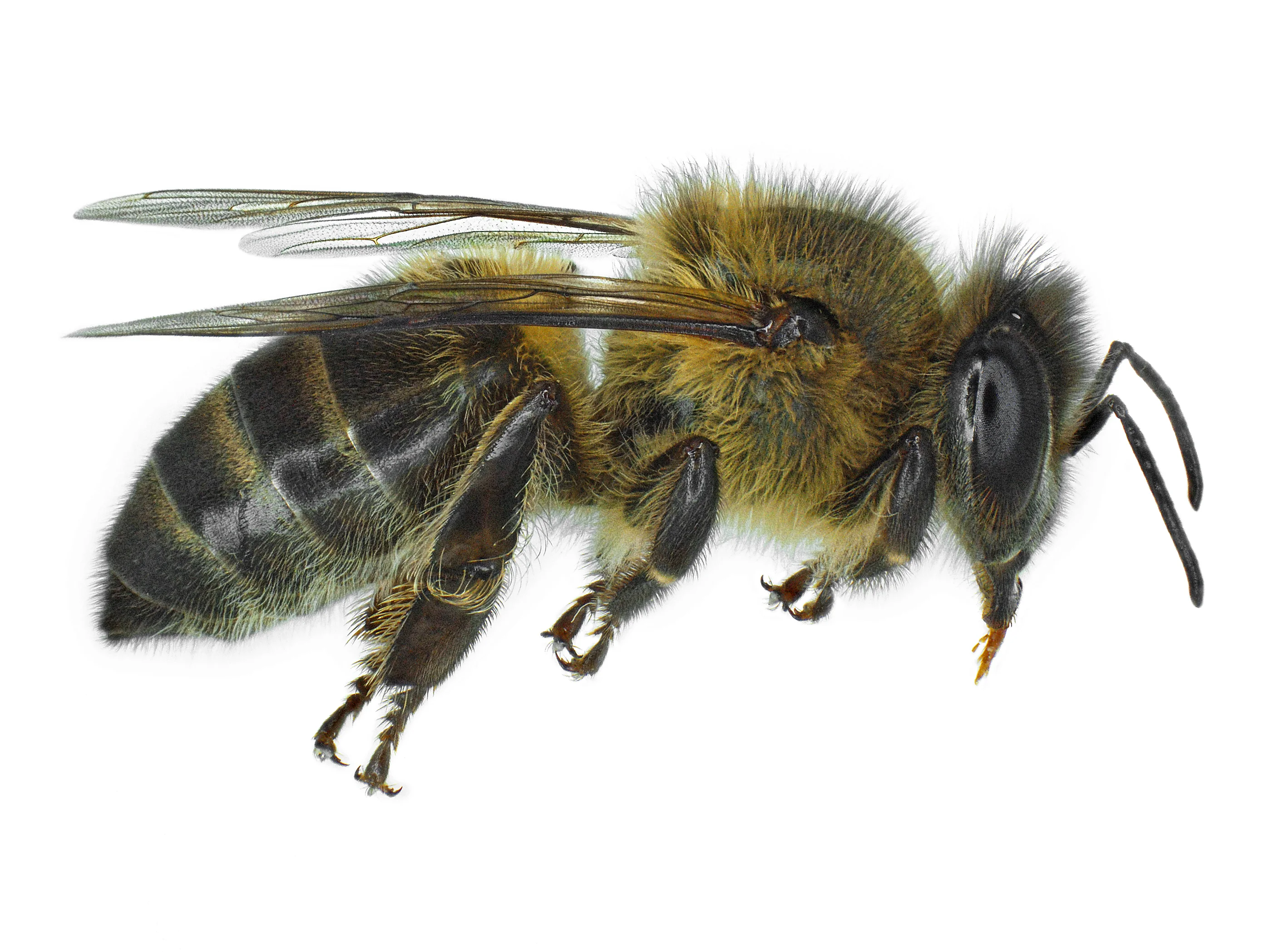
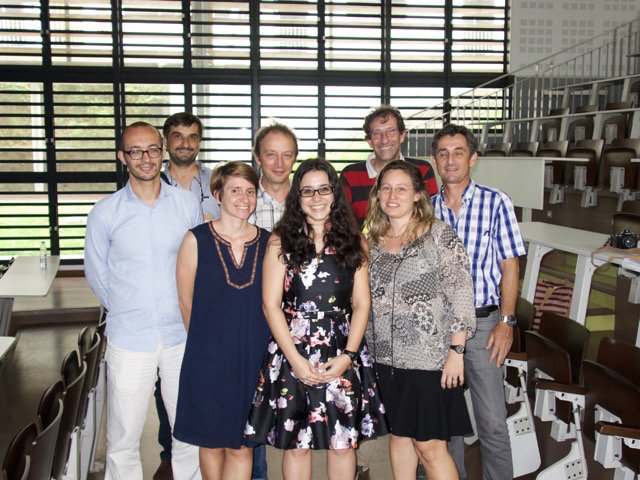
I was initially afraid of honey bees and their stings, but studying them up close transformed that fear into admiration. During my Master’s and Ph.D. at the UMR PVBMT and CIRAD with Dr. Hélène Delatte and Dr. Johanna Clémencet, the western honey bee, Apis mellifera, became my first research model. With beekeepers, agricultural services, national parks, and researchers, I used “old-school markers” (mitochondrial DNA and microsatellites) as genetic clues on thousands of honey bee colonies from the Mascarene, Seychelles, and Comoros archipelagos. I elucidated the disputed status and retraced the evolution of insular honey bees before and after human arrival.
A bioinformatic journey into a tiny mite genome
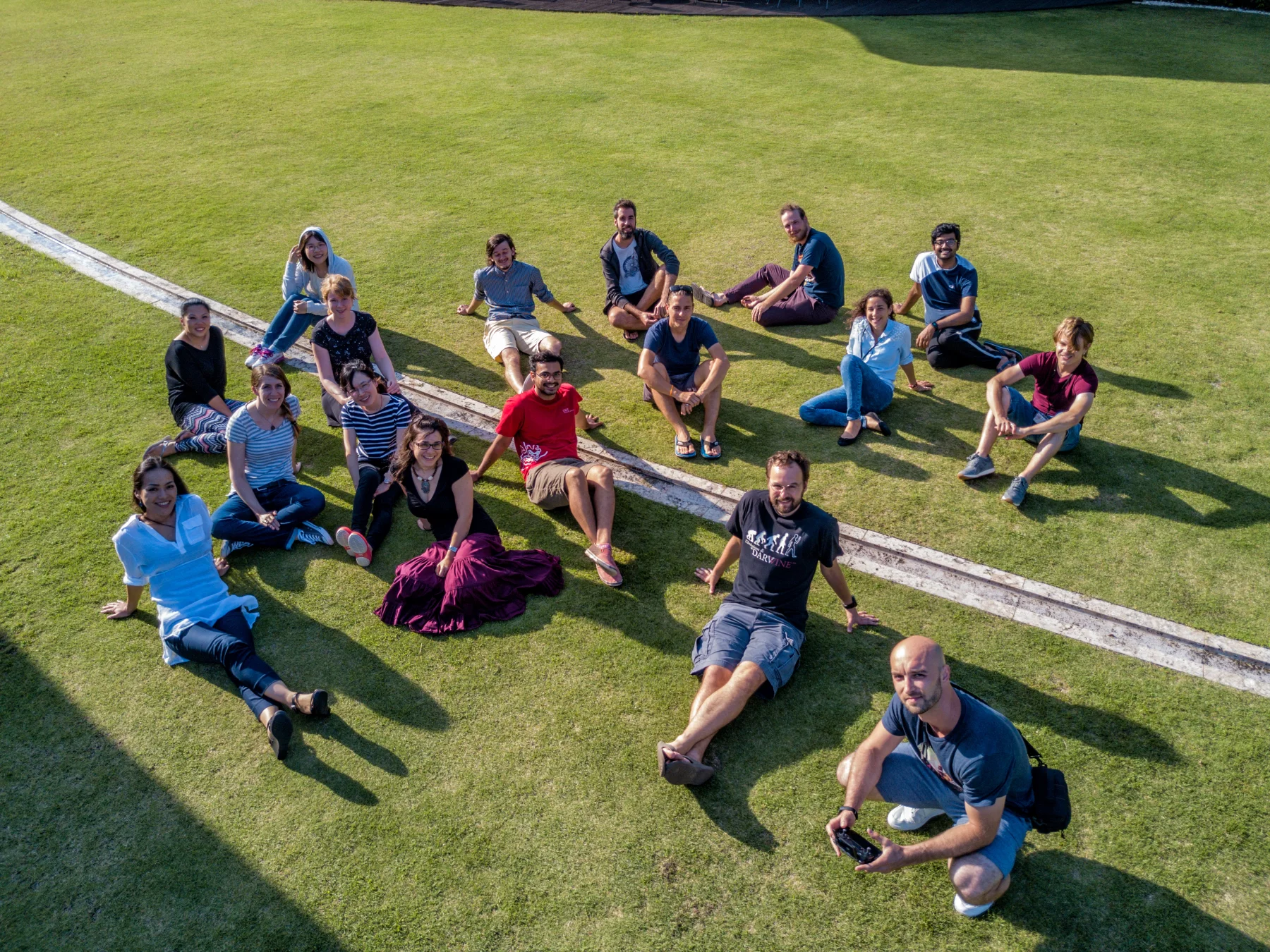
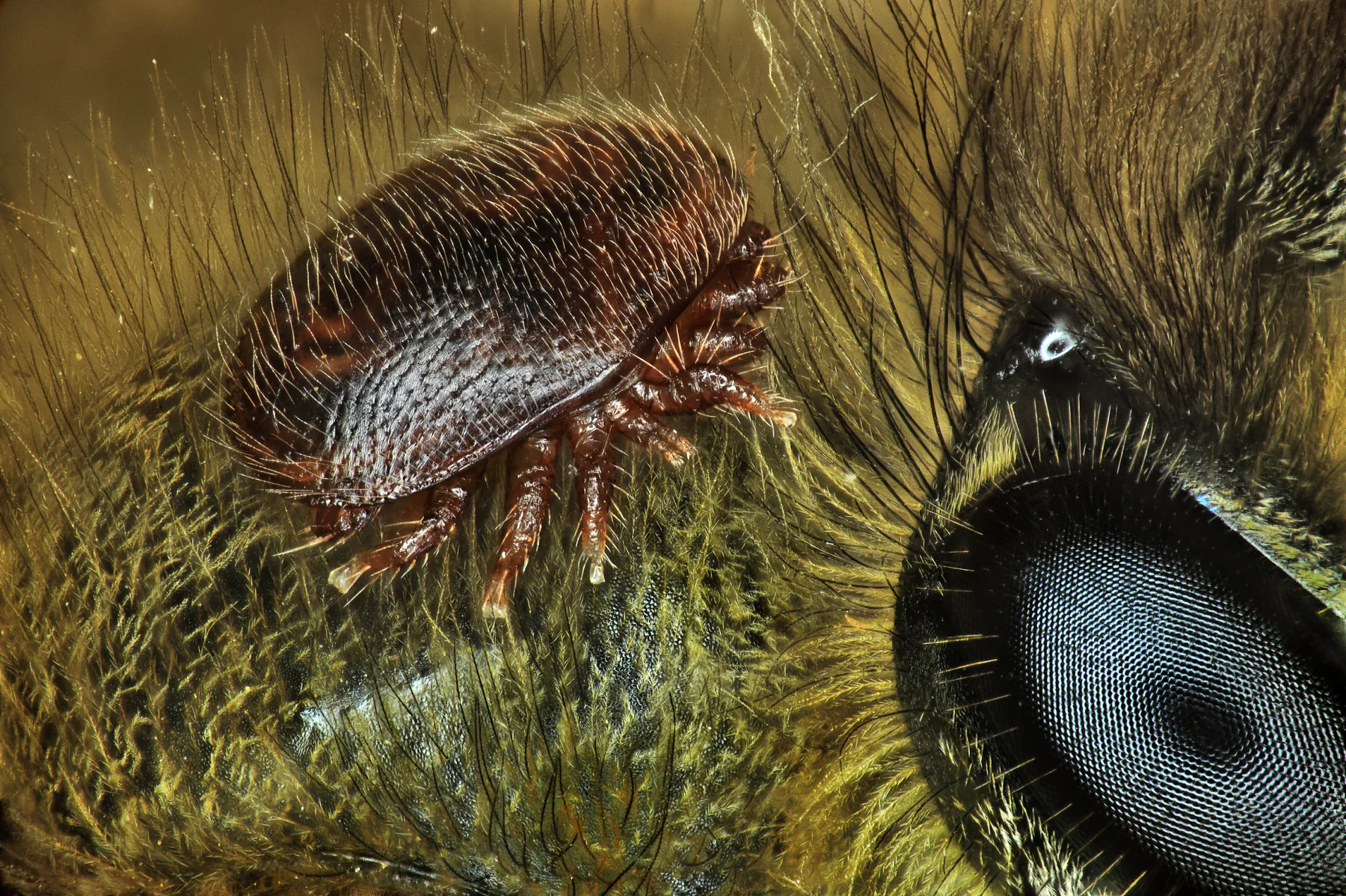
When I moved to Okinawa in 2016 for my postdoctoral research, Varroa mites were already devastating western honey bee colonies worldwide and reached Réunion in 2017. At OIST, with Professor Alexander “Sasha” Mikheyev, my study organism became much smaller, but my questions became global. I built a unique temporal worldwide mite collection to feed an ambitious population genomic project to understand this successful invasion.
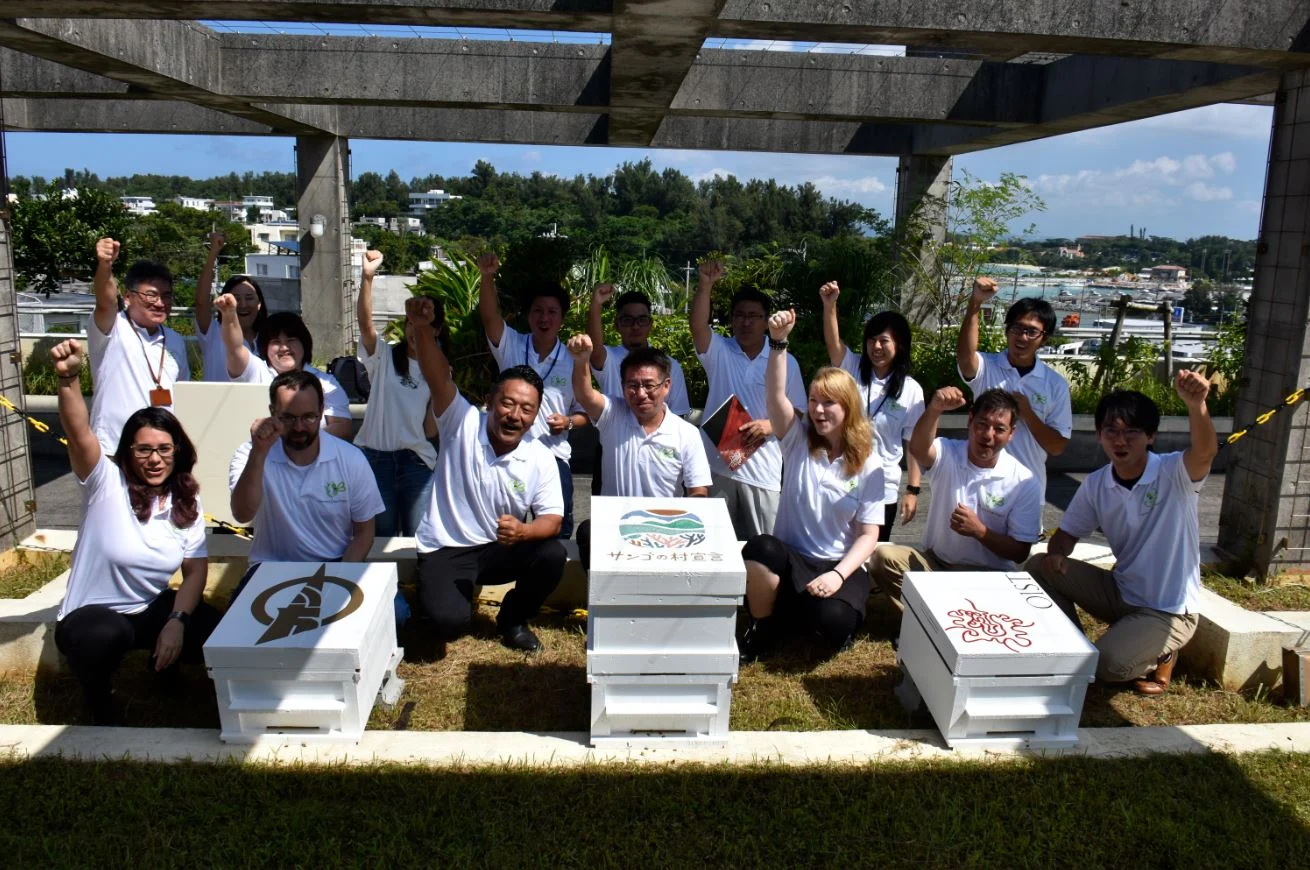
The project soon involved terabytes of genomic data. I found myself learning how to use high-performance computing and develop reproducible bioinformatics, enjoying the feeling that I was becoming a hacker long before AI made debugging less lonely. As a JSPS fellow, I grew into a more independent scientist, mentored junior researchers, and helped organize international meetings on honey bee health. It also taught me one of my most important lessons: slow science, built through patient sampling, protocol optimization, and long-term international trust, can produce extraordinary results.
Bridging disciplines and joining a swarm of scientists to understand locust plagues
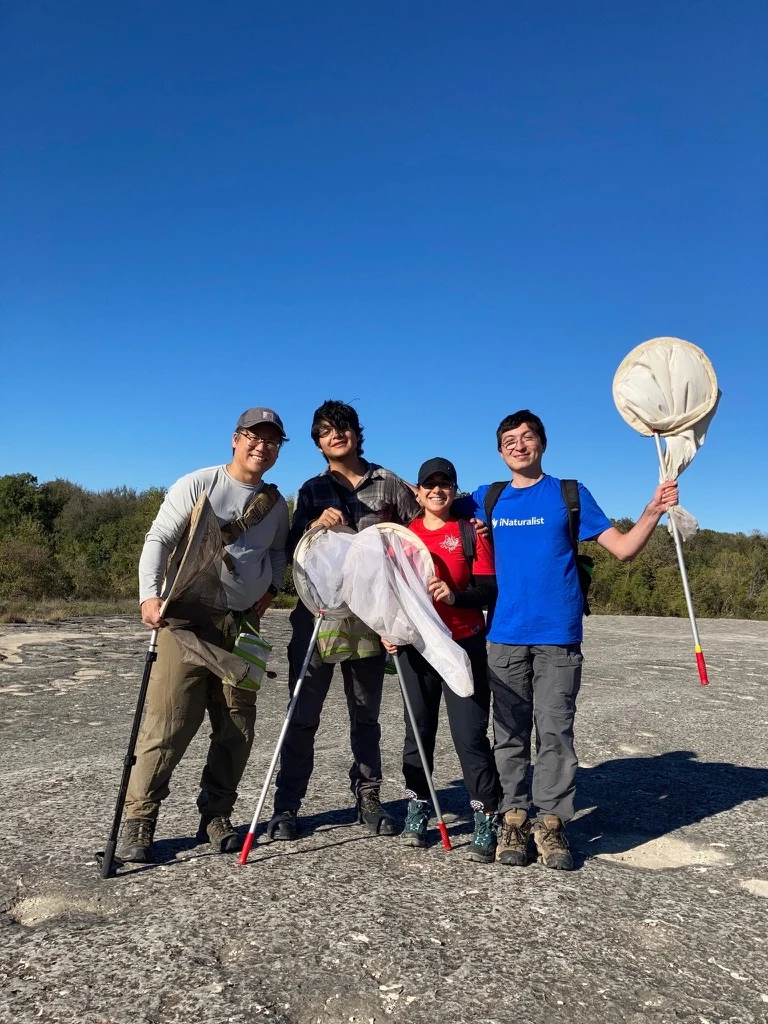
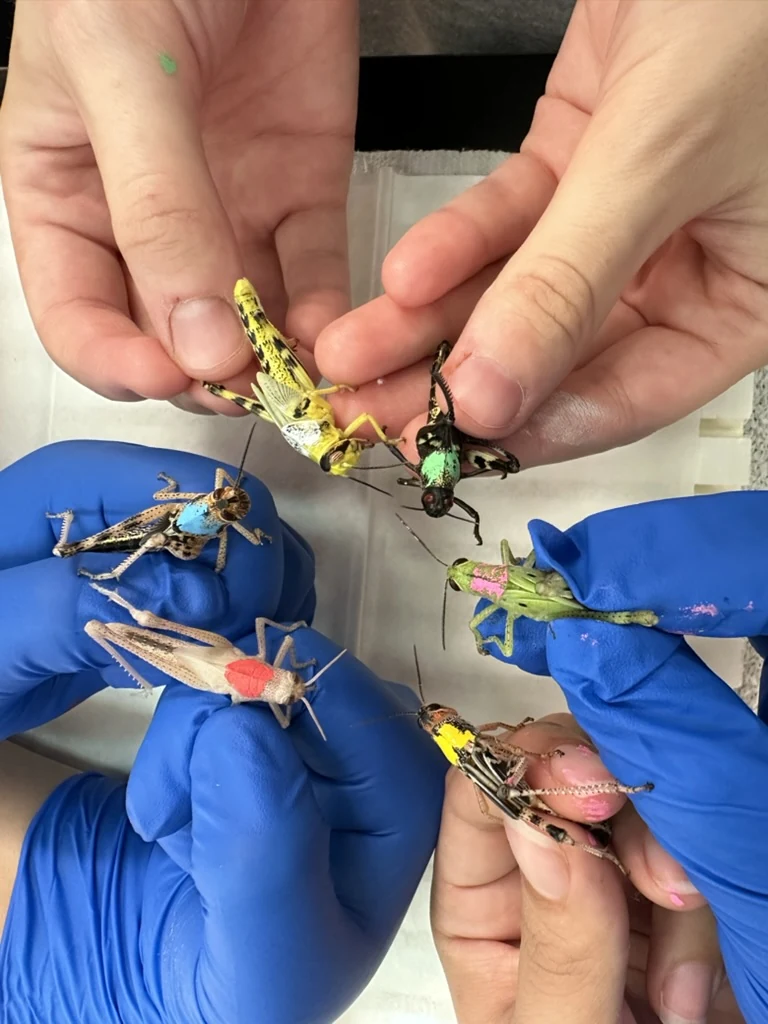
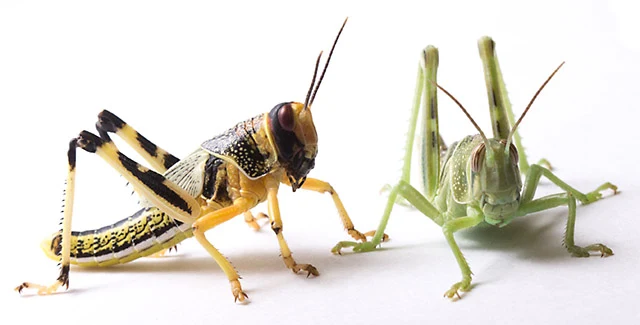
By the time I arrived under the unpredictable skies of Texas in 2021, I knew how to read evolutionary history from genomes. But I only truly understood the power of genome-environment interactions when, in Pr. Hojun Song’s laboratory at Texas A&M University, I watched quiet green Schistocerca grasshoppers transform into collective “hungry hungry locusts.”
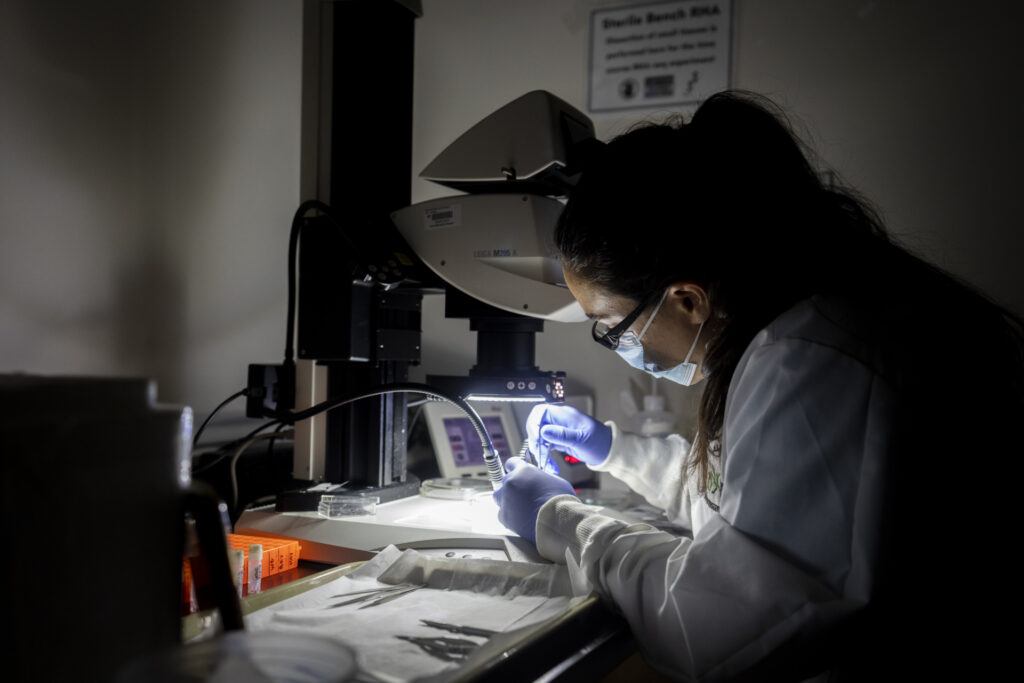
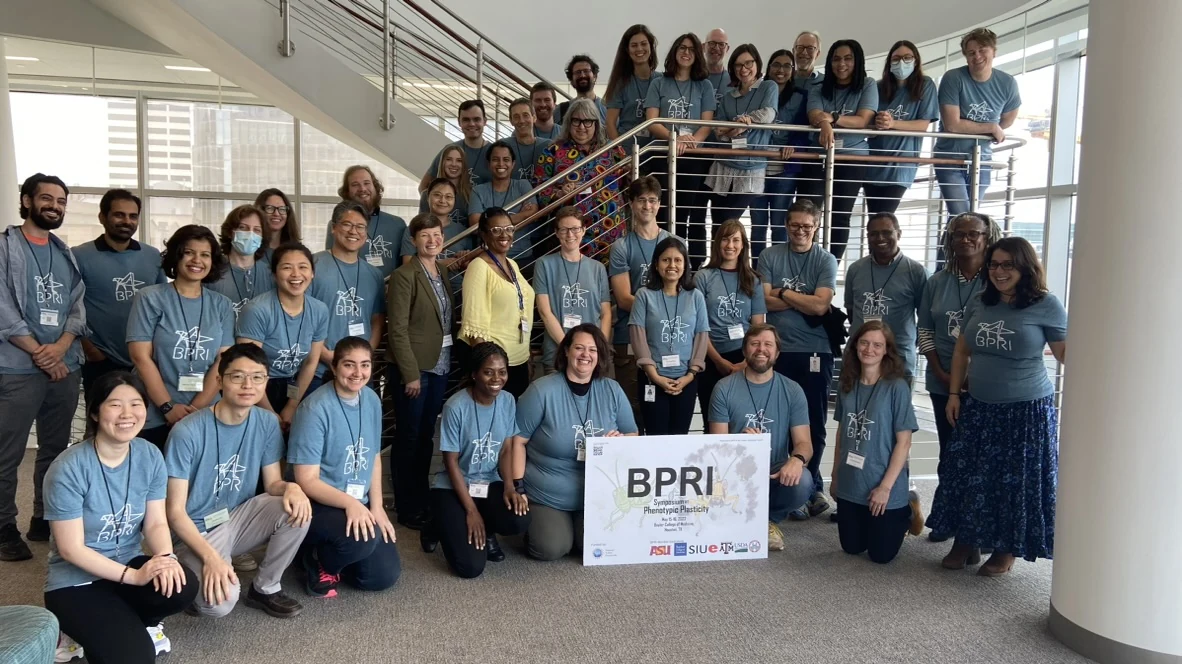
The Behavioral Plasticity Research Institute became a major turning point in my career, as my role also grew beyond that of a conventional postdoctoral researcher. I help coordinate multi-species colony rearing and experiments in quarantine, analyze genomic and transcriptomic data, mentor students, and connect projects across teams. It reconnected me with what had first drawn me to biology: field observations, hands-on experiments, and questions too complex for a single discipline.
I became a visiting faculty researcher with my hosts Dr. Arianne Cease and Dr. Hojun Song at Arizona State University, where I continued to study locust phase change from a transcriptomics lens while collaborating at the frontier of evolutionary parasitology. These projects transformed me into an integrative biologist and gave me the leadership experience to begin shaping my own research program.
Where to next?
My next quest is to establish an independent lab that brings together the different worlds I have explored. My future program envisions combining individual-centered phenotyping, controlled experiments, multi-omics, comparative genomics, and interpretable AI. The aim is not to replace biology with algorithms, but to find patterns in datasets too large for any one method and return to living organisms to test what those patterns mean.
How do insects evolve to live and act together, from sharing jobs in a colony to moving as a swarm? And what helps these remarkable systems remain flexible in a rapidly changing world where pathogens and parasites spread faster?