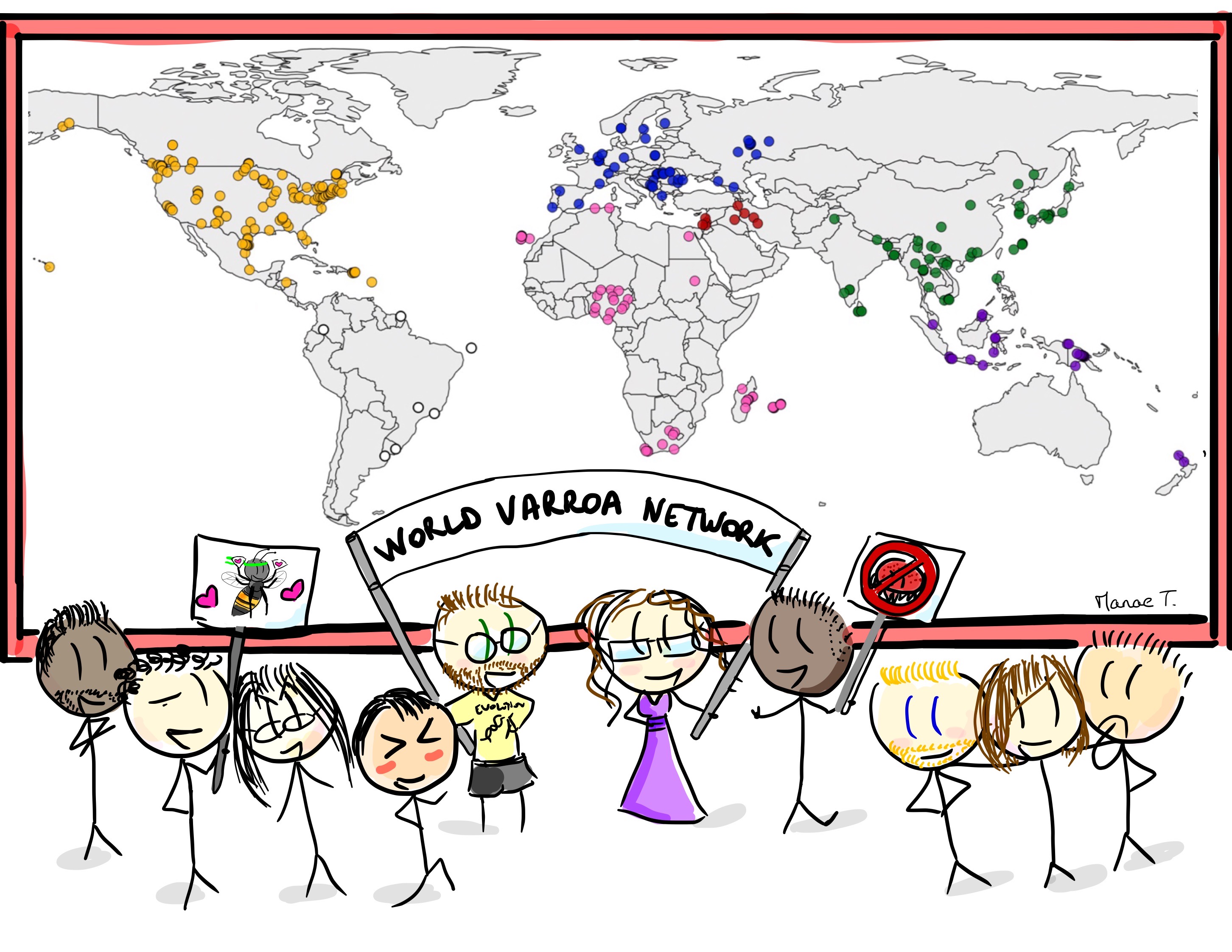
2026 / PUBLISHED
Open recordDarwin’s solution: Honeybees survive mite vectors and viruses through natural selection
Trends in Parasitology
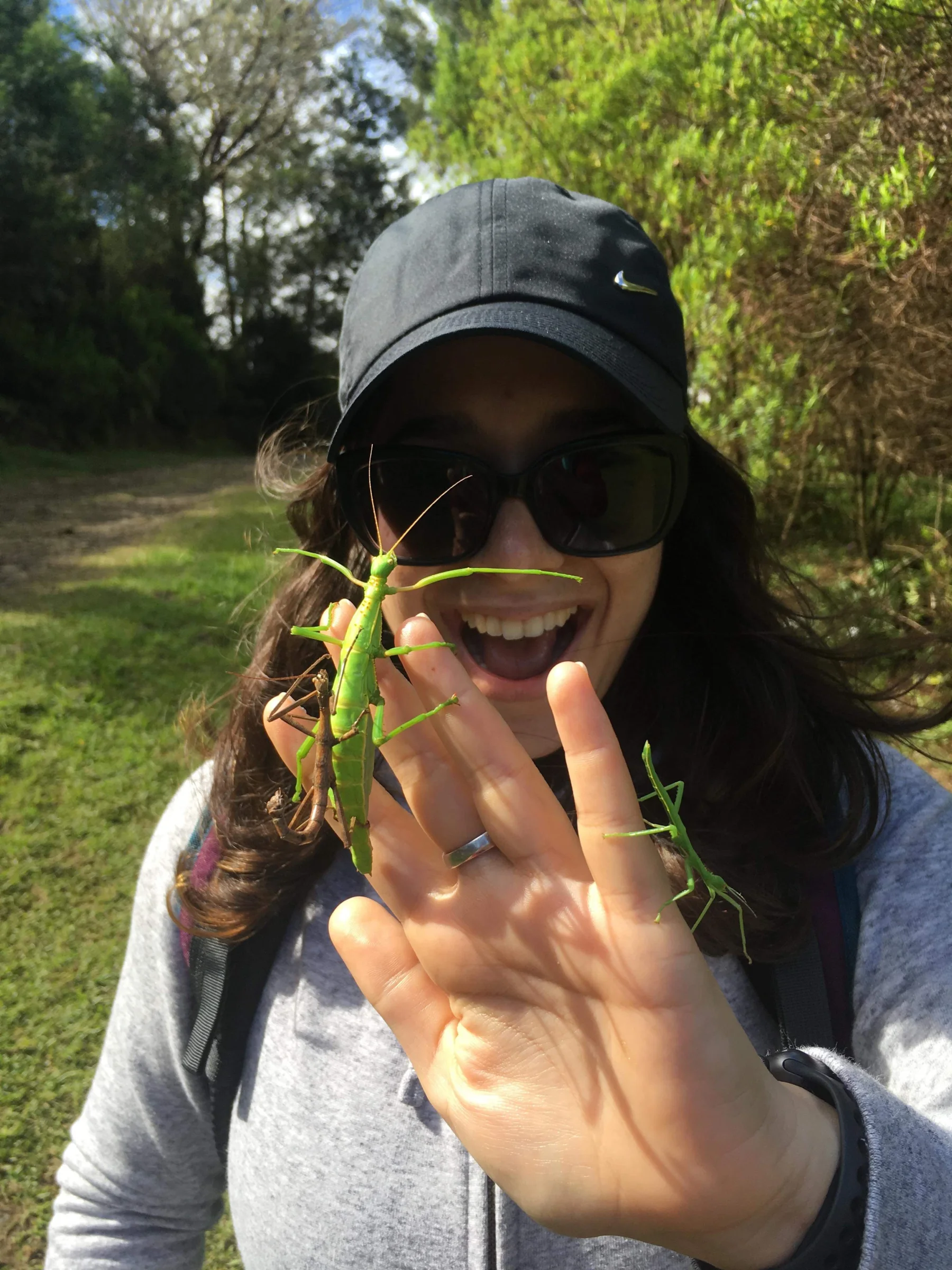
Evolutionary & Integrative Biologist
I follow those changes across biological scales: from genes
to populations in species with extreme phenotypic plasticity
and co-evolving with parasites and pathogens.
Three biological systems let me follow change across minutes, generations, and species evolution.
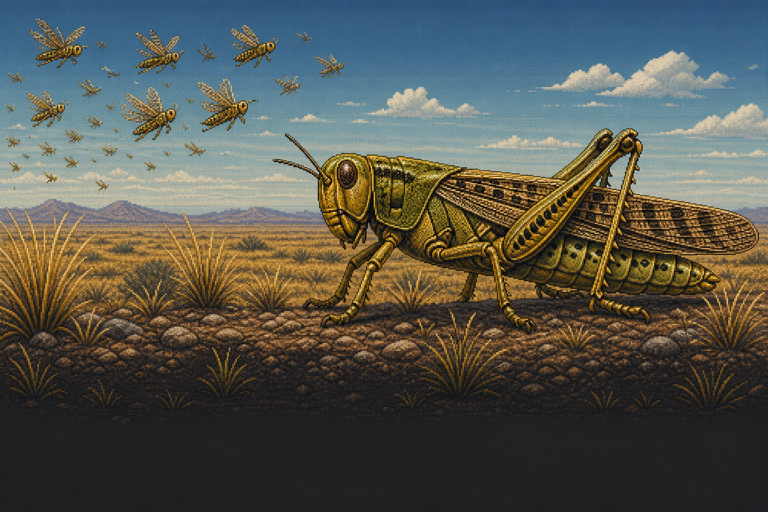
How do a touch, a glance, and a smell turn a solitary, sedentary grasshopper into part of a hungry, frenzied migratory locust swarm?
Open quest file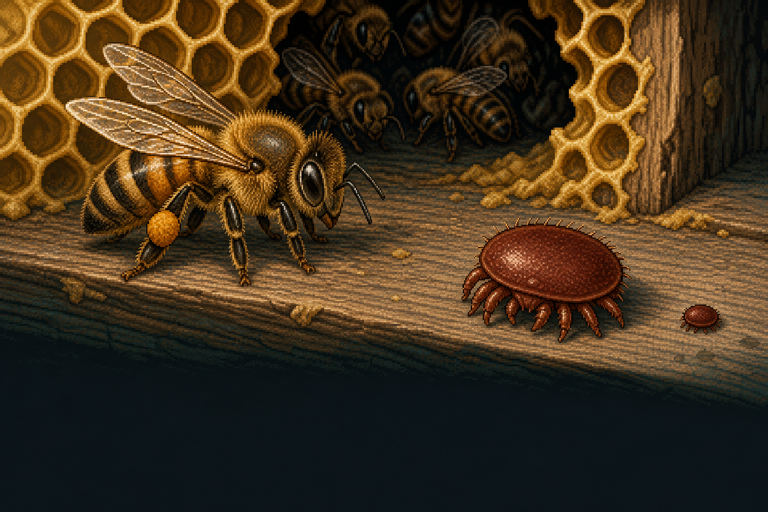
How did a tiny parasitic mite spread and persist worldwide despite intensive control to become a nightmare for most beekeepers?
Open quest file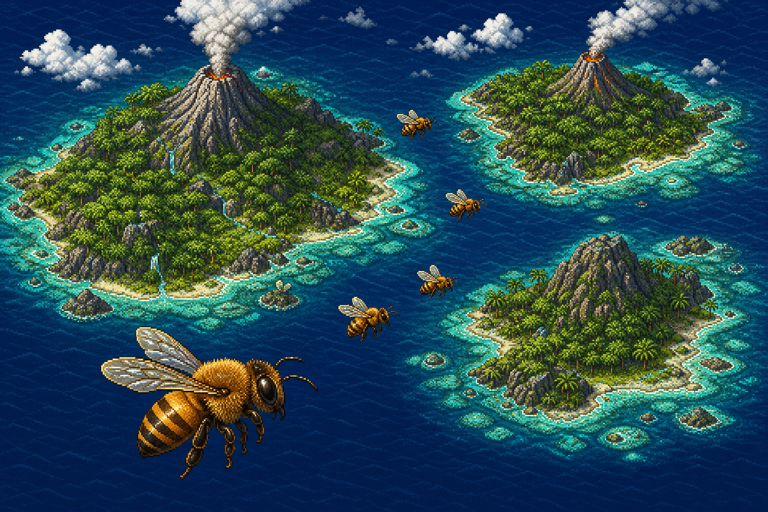
How have isolation and human movements shaped the evolution of honey bees across island systems?
Open quest fileA growing collection of papers, biological samples, sequence datasets, and places that shaped the questions.
A research journey connecting field collection, wet-lab experimentation, and dry-lab genomics.
Published outputs, research support, biological material, and sequence datasets.
Recently published protocols, shared standards, and population-genomic research from the public record.
Trends in Parasitology
STAR Protocols / 7(2), 104554
Journal of Apicultural Research / BEEBOOK Vol. IV, 64(2), 307–402
Research grows through shared systems, methods, and international exchange. Current signals include COLOSS, the Global Locust Initiative, and the Behavioral Plasticity Research Institute.